

Perinatal Support
The term Perinatal refers to the entire period of time surrounding pregnancy, childbirth, and postpartum. This means, from the point of conception, to up to (and even past) a year after childbirth.

Pregnancy Anxiety or Depression
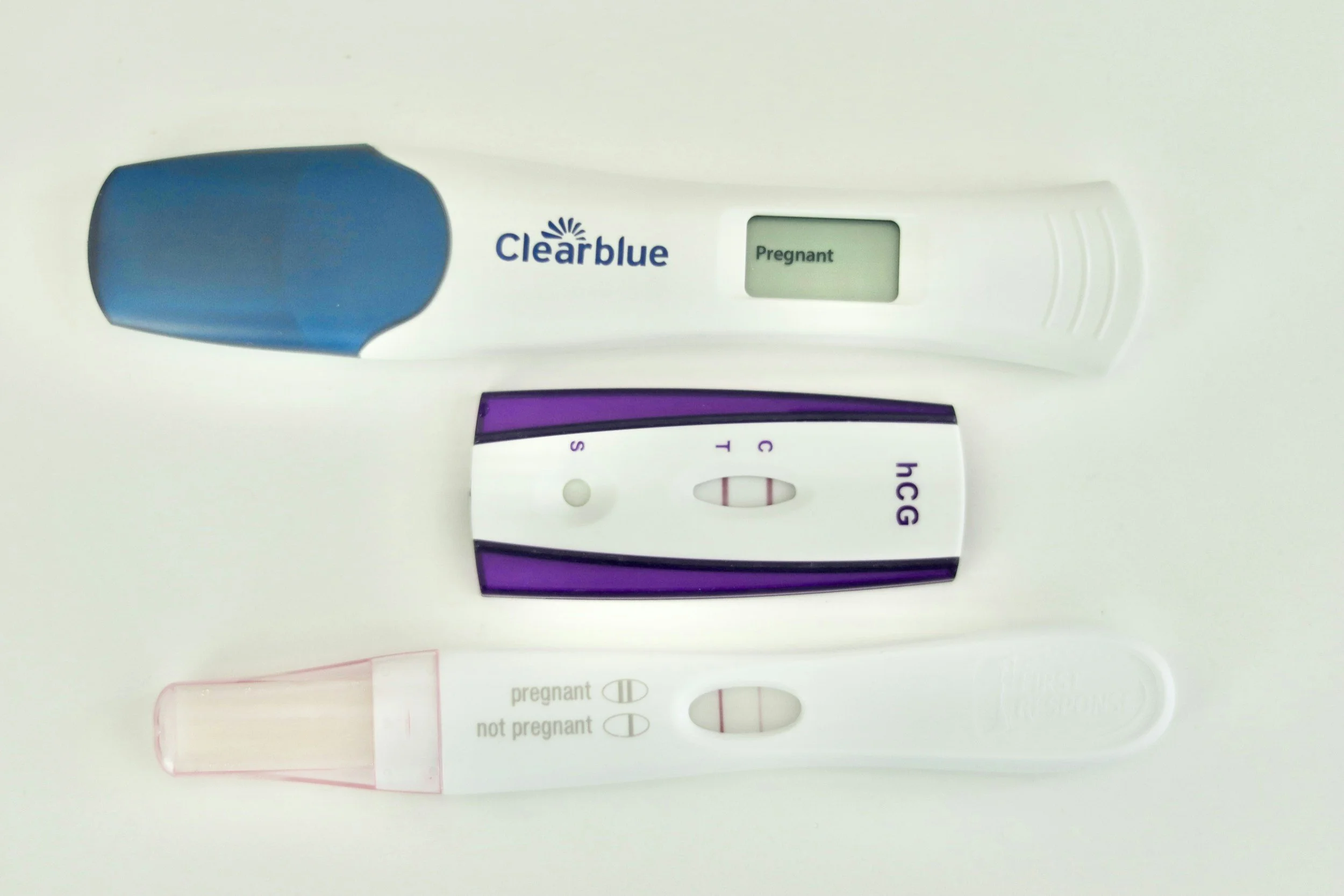
Pregnancy is often expected to be a joyful time, but for many women, it can also bring anxiety, depression, overwhelming worry, or emotional distress. If you're struggling during your pregnancy, you don't have to carry it alone. I provide a warm, supportive space where you can talk openly about your experiences without judgment. Together, we'll help you better understand what you're feeling, build healthy coping strategies, and support your emotional well-being so you can move through pregnancy with greater confidence, self-compassion, and hope.
Postpartum Depression

Adjusting to life after having a baby can be far more challenging than many people expect. If you're experiencing postpartum depression, you may feel overwhelmed, disconnected, hopeless, or unlike yourself. You don't have to face these feelings alone.
The symptoms of postpartum depression (PPD) are more intense and longer-lasting than the "baby blues" and can make it difficult to enjoy daily life or care for yourself and your baby. Common symptoms include:
Persistent sadness, emptiness, or frequent crying
Feeling hopeless, worthless, or like you're failing as a parent
Loss of interest or pleasure in activities you once enjoyed
Feeling disconnected from yourself, your baby, or loved ones
Overwhelming guilt or shame
Irritability, anger, or frustration
Fatigue or feeling exhausted beyond the normal demands of caring for a newborn
Changes in appetite (eating much more or much less)
Difficulty sleeping, even when given the opportunity, or sleeping excessively
Trouble concentrating, making decisions, or remembering things
Feeling overwhelmed by everyday tasks
Withdrawing from family, friends, or social activities
Thoughts of harming yourself or feeling that your family would be better off without you (these require immediate support)
postpartum Anxiety

If you're constantly on edge, struggling to quiet racing thoughts, or finding it difficult to relax, you're not alone. Postpartum anxiety is more common than many people realize, and it is not a reflection of your ability to be a good parent.
The symptoms of postpartum anxiety (PPA) often go beyond the typical worries that come with becoming a parent. Common symptoms include
Excessive or constant worry that feels difficult to control
Racing thoughts or feeling like your mind won't "shut off"
Feeling on edge, restless, or unable to relax
Irritability or feeling easily overwhelmed
Trouble sleeping, even when the baby is sleeping
Feeling a sense of dread or that something bad is about to happen
Difficulty concentrating or making decisions
Constantly checking on the baby or seeking reassurance
Intrusive, unwanted thoughts about something bad happening to the baby (these thoughts are distressing and not something the parent wants to act on)
Physical symptoms such as a racing heart, chest tightness, dizziness, nausea, trembling, or shortness of breath
Panic attacks, which may include sudden, intense fear accompanied by physical symptoms
I am a pro-choice, safe-space provider. Decisions made during a family planning or fertility journey can be complex and difficult, and this is a safe, nonjudgmental place for you to express and talk about those things. I respect your values, support your autonomy, and will listen with compassion and confidentiality as you explore options, process emotions, and make choices that feel right for you.